Tha CIP a’ cur 1,027 sampall sìl ùr ann an Talla Sìl Cruinne Svalbard, ag àrdachadh cùl-taic Artaigeach a chruinneachaidh gu 91%.
Tha CIP air 1,027 sampall sìl ùr - càirdean fiadhaich buntàta is buntàta milis a bharrachd air maca agus ahipa - a thasgadh ann an Talla Sìl Cruinne Svalbard, ag àrdachadh cuibhreann an chruinneachaidh aca le taic bhon Artaig gu 91%.
The International Potato Center (CIP) has deposited 1,027 new seed samples — including wild relatives of potato and sweetpotato, plus maca and ahipa — in the Svalbard Global Seed Vault in Norway. The deposit brings the share of CIP’s seed collection with an Arctic backup copy to 91%.
The International Potato Center (CIP), headquartered in Peru, has deposited 1,027 new seed samples in the Svalbard Global Seed Vault in Norway, as part of international efforts to conserve agricultural genetic diversity. With this addition, 91% of the seed collection conserved by CIP now has a backup copy in the Arctic vault. The material is stored as insurance against potential losses caused by natural disasters, conflicts, diseases, facility failures or climate-change impacts.
Wild relatives of potato and other Andean crops. The deposit includes seeds of wild relatives of potato and sweetpotato, as well as maca, wild species related to that crop, and ahipa. In total, CIP’s shipment comprised materials belonging to 98 species. Wild relatives are a strategic source of genetic traits that researchers and breeders can use to develop varieties with greater tolerance to heat, drought, pests and diseases — traits whose value rises as growing conditions become less predictable in the center’s mandate regions across Africa, Asia and Latin America.
Làithean na seachdain. Dì-chlàraich le aon bhriogadh.
A safety backup, not a replacement. The Svalbard vault functions as a global backup system for genebanks. Deposited seeds remain the property of the institutions that sent them and can only be withdrawn by them. The material stored in Norway therefore does not replace CIP’s active collection in Lima; it is a safety copy intended to guarantee that these genetic resources can be recovered if the original samples are damaged, destroyed or temporarily inaccessible.
More than 16,000 samples deposited in October. The deposit carried out on 13 October 2026 brought together 21 institutions and added 16,676 seed samples to the vault. Six genebanks of the CGIAR system jointly contributed 8,917 samples. The largest contributions came from the International Maize and Wheat Improvement Center (CIMMYT) with 3,370 samples, the International Center for Agricultural Research in the Dry Areas (ICARDA) with 2,039, the International Rice Research Institute (IRRI) with 1,890, and CIP with its 1,027.
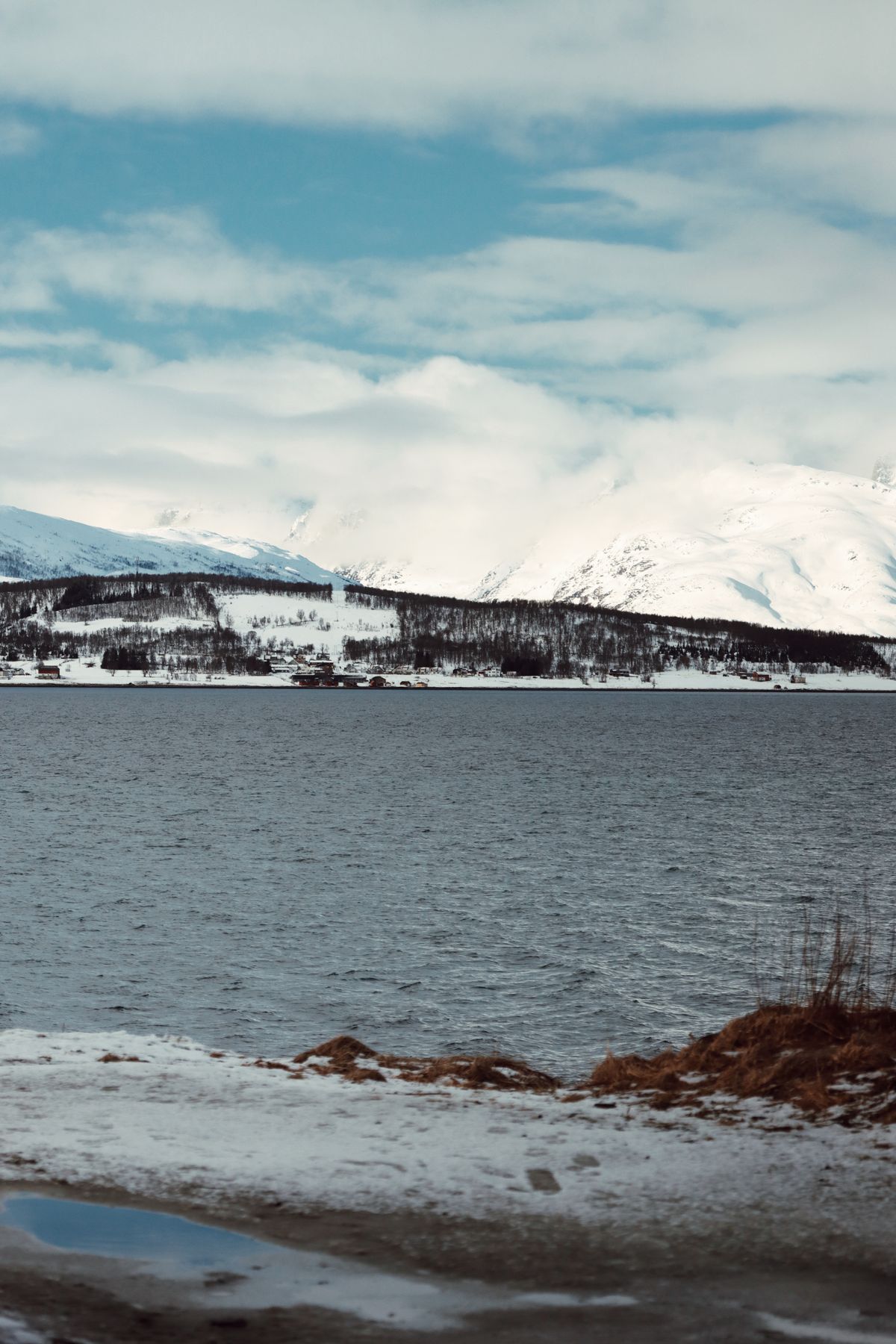
Conservation for future agriculture. Preserving these materials aims to keep genetic resources available for research, crop breeding and the building of more resilient food systems. The Svalbard Global Seed Vault already holds more than 1.4 million seed samples inside a mountain in the Norwegian archipelago. The facility belongs to the Government of Norway and is managed in partnership with the Nordic Genetic Resource Center (NordGen) and the Crop Trust.
For the potato sector specifically, the steady growth of CIP’s Arctic backup matters for practical breeding: the wild potato and sweetpotato relatives now secured at Svalbard are the raw material for future varieties adapted to heat, water stress and emerging pests — the very pressures processors and growers are already reporting in key producing regions. The October deposit also underlines how the CGIAR genebank network is coordinating its security backups: with six centers acting together in a single shipment, conservation is being treated as shared infrastructure rather than a series of isolated national efforts. That coordination reduces the risk that any single facility failure — whether technical, financial or political — could erase unique genetic material held in only one location.
stòran
- BuntàtaPro: https://www.potatopro.com/node/177479